Source Cosmetic Eye Dropper Bottle for Perfume and Oil
Find 30 cosmetic eye dropper bottle options from Ningbo suppliers. Compare glass and plastic materials, 5-100ml capacities, and custom printing services like silk screen or hot stamping for personal care and essential oil packaging needs; compare the available evidence and request quotations based on your requirements.
Key considerations
Products List


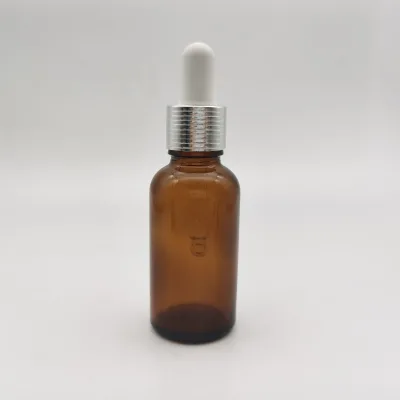

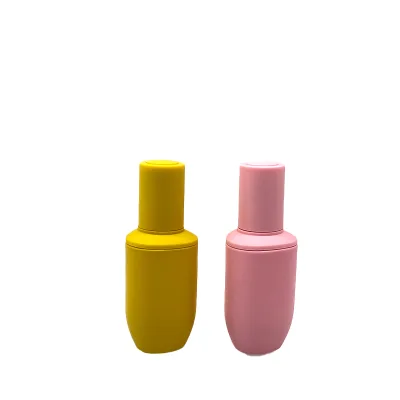


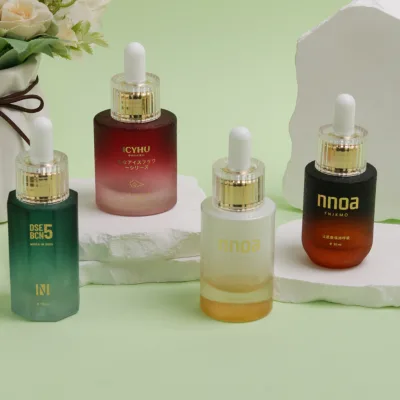


Comprehensive Sourcing Guide
Cosmetic Eye Dropper Bottle Sourcing Guide
Procurement professionals must first distinguish between the specific glass and plastic variants available in the current market, as material choice dictates both chemical compatibility and shipping durability. The observed listings indicate a strong presence of glass bottles designed for essential oils and perfumes, alongside plastic options featuring ABS, PP, or acrylic caps that offer distinct weight and cost profiles. Buyers should verify that the selected material aligns with the viscosity of their cosmetic formula to prevent degradation or leakage during transit.
Commercial signals reveal a wide range of customization capabilities, with suppliers accepting orders for any color and offering specific shape options like cylinders or squares. While some listings highlight a minimum order quantity of 10,000 pieces, others suggest flexibility down to 140 units, requiring careful negotiation to balance inventory costs with production efficiency. Understanding these baseline thresholds is essential before initiating a request for quotation, as the volume directly influences the unit price and the feasibility of custom mold development.
Product Scope and Observed Listing Signals
The market for cosmetic eye dropper bottles encompasses a diverse array of capacities, ranging from small 5ml vials suitable for concentrated serums to larger 200ml containers for broader skincare applications. Listings frequently specify standard volumes such as 30ml, 50ml, and 100ml, while also offering custom volume options to meet unique branding requirements. This variability allows buyers to select packaging that perfectly matches their product dosage strategy without being constrained by rigid, pre-existing size charts.
Visual and functional attributes observed in current listings include screw caps, dropper mechanisms, and various closure types like pump sprayers or wooden accents. Suppliers often provide samples to validate the fit and finish of the dropper assembly, ensuring that the seal is tight and the dispensing mechanism operates smoothly. The availability of silk screen printing, hot stamping, and PVC labeling further expands the scope, enabling brands to apply custom graphics directly onto the glass or plastic surface for immediate shelf impact.
Technical Specifications to Verify
Buyers must rigorously verify the internal capacity and dimensional tolerances of the bottle to ensure compatibility with their filling equipment and final packaging. The observed standards list specific volumes like 5ml, 10ml, and 15ml, but actual internal dimensions may vary slightly between manufacturers, potentially affecting fill levels and seal integrity. Confirming the exact neck finish and thread pitch is critical to guarantee that the dropper assembly mates correctly without cross-threading or leaking during the filling process.
Sealing performance is another vital technical parameter, particularly for volatile essential oils and perfumes that require airtight containment to maintain potency. The listings indicate the use of dropper screw seals and various cap materials, yet the specific gasket composition and compression force must be validated through physical testing. Ensuring that the chosen closure system meets the viscosity and volatility requirements of the specific cosmetic formula prevents product loss and maintains consumer trust in the brand's quality.
Compliance and Safety Documentation
While specific certification statuses like ISO 9001 are mentioned in background data, buyers should not assume compliance without requesting current, verifiable documentation from the supplier. It is essential to obtain proof that the glass or plastic materials used in the bottle construction meet relevant food-grade or cosmetic-grade safety standards for direct contact with personal care products. This verification process protects the brand from liability and ensures that the packaging does not leach harmful substances into the cosmetic formulation over time.
Documentation regarding the origin of the materials and the manufacturing process is equally important for maintaining supply chain transparency and meeting regulatory requirements in target markets. Buyers should request material safety data sheets (MSDS) and certificates of analysis that confirm the absence of heavy metals or other contaminants in the glass and plastic components. Establishing a clear paper trail for all raw materials used in the bottle production helps streamline customs clearance and satisfies the due diligence requirements of major retailers.
Cost Drivers and Commercial Terms
The unit cost of cosmetic eye dropper bottles is heavily influenced by the complexity of the mold, the material selection, and the volume of the order placed. Listings show a significant price variance, with minimum order quantities ranging from 140 to 50,000 pieces, directly impacting the per-unit economics of the purchase. Higher customization levels, such as specific colors or unique shapes, often incur additional tooling fees and higher minimums, which must be factored into the total landed cost calculation.
Lead times and delivery schedules are critical commercial terms that can vary based on the supplier's current production load and the complexity of the customization requested. Observed delivery times of approximately 25 days suggest a standard production window, but this may extend significantly if new molds are required or if the order volume exceeds standard capacity. Buyers should negotiate clear penalties for delays and confirm the exact timeline for sample approval before committing to a full production run to avoid supply chain disruptions.
Supplier Qualification and Quality Control
Evaluating a supplier's capability to handle custom orders requires a deep dive into their existing infrastructure and their willingness to collaborate on new mold development. Many suppliers explicitly welcome new mold requests with samples, indicating a flexible approach to customization, but buyers must assess the quality of their prototyping and tooling processes. Verifying the supplier's track record with similar cosmetic clients and their ability to maintain consistent quality across large batches is essential for long-term partnership success.
Quality control protocols should be established early in the engagement to ensure that every batch of bottles meets the specified standards for leakage, print quality, and dimensional accuracy. Buyers should request a detailed quality assurance plan that outlines inspection points for raw materials, in-process checks, and final random sampling before shipment. Implementing a rigorous acceptance criteria based on observed defects and performance issues will help mitigate the risk of receiving substandard packaging that could damage the brand's reputation.
Long-Term Procurement Checks
Sustaining a reliable supply of cosmetic eye dropper bottles requires regular audits of the supplier's production capacity and their ability to scale with demand fluctuations. Buyers should establish a schedule for periodic reviews of the supplier's inventory levels and raw material sourcing strategies to ensure continuity of supply during peak seasons or market disruptions. Maintaining open communication channels and fostering a collaborative relationship can help anticipate potential issues before they impact the production schedule.
Continuous improvement initiatives should be integrated into the procurement strategy to drive down costs and enhance product quality over time. This includes regularly reviewing the performance of the current packaging against market trends and exploring opportunities for material optimization or design simplification. By staying proactive and data-driven, buyers can ensure that their cosmetic eye dropper bottle supply remains competitive, reliable, and aligned with the evolving needs of their brand and customers.
FAQs
How can I customize the color of a cosmetic eye dropper bottle?
Customization is accepted, and any colour can be produced, including green and amber options. A separate colour MOQ of 20000 pieces applies, which is higher than the standard 10000-piece MOQ. Colour matching is typically confirmed with a physical sample before mass production, and samples are offered so buyers can verify the shade, glass quality, and dropper fit prior to ordering.
What materials are used for the dropper cap and closure?
Cap materials can include ABS, PP, wooden, Surlyn, acrylic, plastic, Zamac, and leather, giving buyers a wide range of finishes. The closure type is a dropper screw, which combines a screw cap with a pipette assembly. When selecting a cap material, consider compatibility with essential oils or perfume, the desired weight and feel, and whether silk screen printing or hot stamping decoration is planned.
What bottle sizes are available for cosmetic eye dropper bottles?
Sizes span several ranges depending on the model. Essential oil dropper bottles are available from 5 to 50 ml, with standard volumes of 5, 10, 15, 20, 25, 30, and 50 ml plus custom options. Larger square bottles with droppers come in 30, 60, 80, 100, 150, and 200 ml. Cylinder perfume bottles are offered in 5, 10, and 15 ml sizes.
Can I order a sample before placing a bulk order?
Yes, samples are offered and samples are free, so you can evaluate glass quality, colour accuracy, dropper performance, and closure fit before committing. Allow time for sample production and shipping when planning your schedule. Because mass production delivery time is around 25 days, requesting a sample early helps keep your overall project timeline and launch dates on track.
What is the minimum order quantity for cosmetic eye dropper bottles?
The standard MOQ is 10000 pieces per item. If you request a specific custom colour, the colour MOQ rises to 20000 pieces because of the additional colour batching involved. MOQ requirements can vary between the 30 listed products in this range, which show MOQs from 140 to 50000, so confirm the exact quantity for the model you select.
How long does delivery take after confirming an order?
Delivery time is 25 days, giving buyers a predictable production window for planning inventory. This lead time generally starts after order confirmation and artwork or sample approval. If you need custom colours, new molds, or printed decoration such as silk screen printing, hot stamping, or PVC labels, factor those approval steps into your schedule before the 25-day production period begins.
What printing and decoration options are available on the bottles?
Available printing options include silk screen printing, hot stamping, PVC label application, and car printing. These methods support branding on glass bottles for personal care products like perfumes and essential oils. Provide print-ready artwork when requesting a quotation. OEM service is available, and new molds are welcome with samples, so custom shapes and branded decoration can be combined for distinctive retail packaging.
How are the bottles packed for shipping?
Packing is done in cartons, and carton plus pallet configurations are used depending on the product model. Standard export packaging may include cartons with pallets and paper dividers to protect glass bottles during transit. Paper packs are also used for some items. Confirm the packing method for your specific model when ordering, since glass products need adequate internal protection for long-distance freight.